
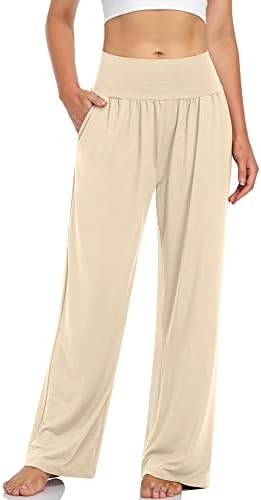
 ChartedLight Khaki
Yoga & lounge pants
Wide Leg Lounge Pants with Pockets
The inseam prints 27.8 in on every row, so the sizes go wider and not longer
Your size here: —
$19.994.3 · 12,840 ratings
Two numbers in, most of the range out
Set your waist and hip in inches. Anything we have not charted for those numbers drops out of the grid below, and what stays shows the size letter it lands on.
Not sure where to hold the tape? Two minutes on measuring.
The Hip column does not mean the same thing on every UEU listing, and the arithmetic gives it away. On the wide leg lounge pants the Small row prints a 22.5 inch waist beside a 43.7 inch hip. Nobody has a 21 inch difference between the two, so that hip figure is the garment measured flat and doubled, not a body. On the flowy wide leg pants the Small row reads 27 to 28 in the waist and 38 to 39 in the hip, a difference of eleven inches, which is an ordinary human shape.
So we sort the tables before comparing anything. Where the gap on the first row is over fourteen inches we treat the column as the garment and ask a different question: is the garment wide enough to pass your hips. Where the gap is small we treat it as a body measurement and check that your number falls inside the printed band. Across our range 43 charted pieces fall on the garment side and 8 on the body side.
The waist column is the one that picks the size. The hip only ever rules a piece out, it never rules one in.
ChartedLight KhakiThe inseam prints 27.8 in on every row, so the sizes go wider and not longer
Your size here: —
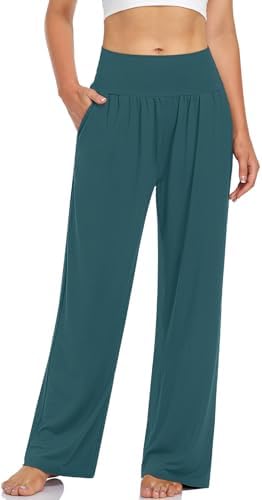 ChartedMalachite Green
Waist charted 22.5 to 32 in over five sizes
Your size here: —
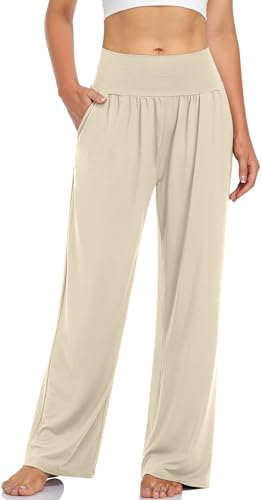 ChartedCream
4.3 on Amazon from 12,840 ratings, printed as it stands
Your size here: —
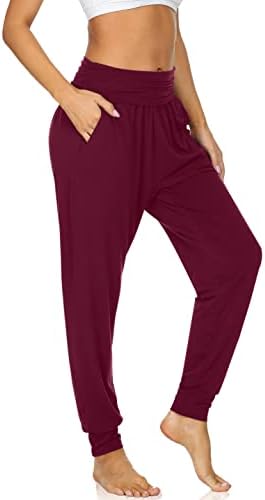 ChartedWine
Cuffed ankle, a flat 22.5 in inseam, and ten colours
Your size here: —
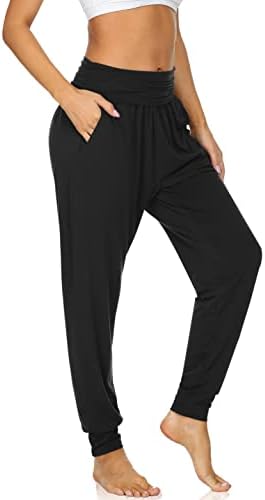 ChartedBlack
Waist charted 24 to 36 in over six sizes
Your size here: —
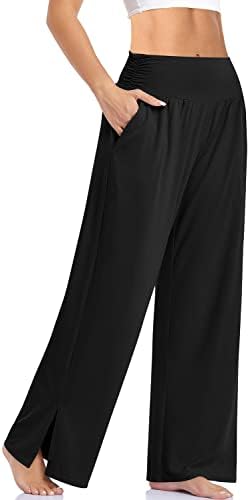 ChartedBlack
One of only two charts of ours whose hip column reads like a body and not a garment
Your size here: —
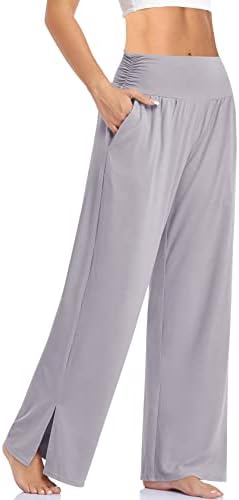 ChartedLight Gray
Waist charted 27 to 42 in over six sizes
Your size here: —
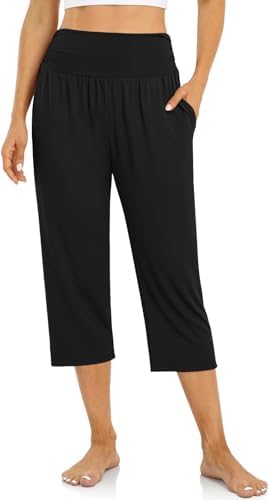 ChartedBlack
Sizes spelled out in full on the chart, and a 19 in inseam on every row
Your size here: —
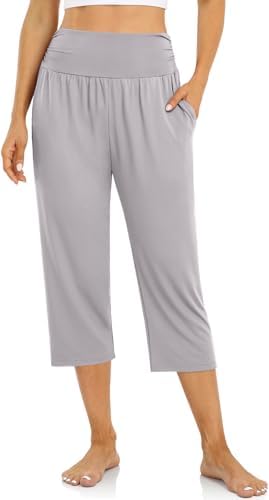 ChartedLight Gray
Waist charted 23 to 35 in over six sizes
Your size here: —
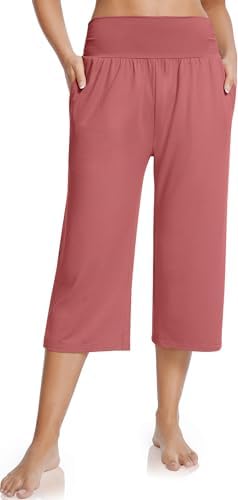 ChartedRust Red
4.4 on Amazon from 4,296 ratings, printed as it stands
Your size here: —
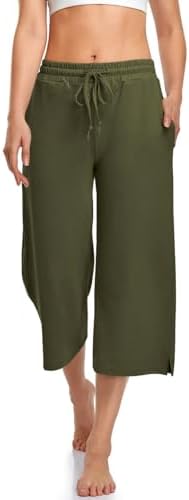 ChartedArmy Green
Our cheapest bottom, and the only chart of ours that runs to 4XL
Your size here: —
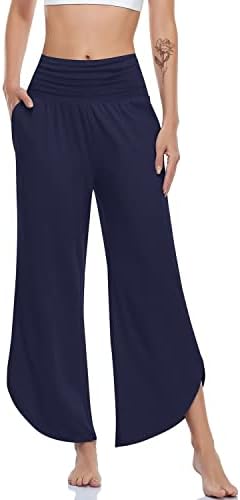 ChartedNavy
We publish the model’s own waist and hip on this one, which is rare on Amazon
Your size here: —
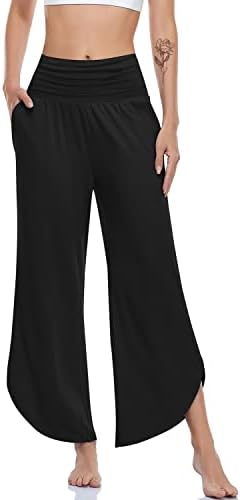 ChartedBlack
Waist charted 24 to 35 in over five sizes
Your size here: —
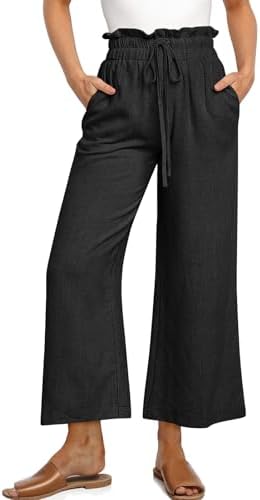 ChartedBlack
Eight colours on one listing, and three different names for the same trouser
Your size here: —
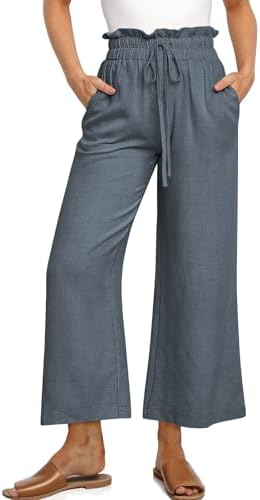 ChartedGray Blue
Waist charted 26 to 36.5 in over five sizes
Your size here: —
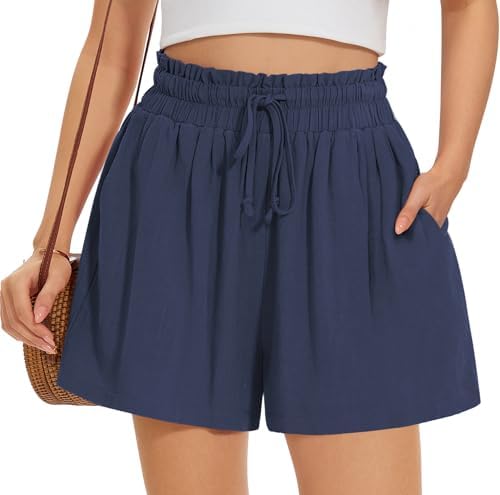 ChartedNavy
A 3 inch inseam, the shortest number we print anywhere
Your size here: —
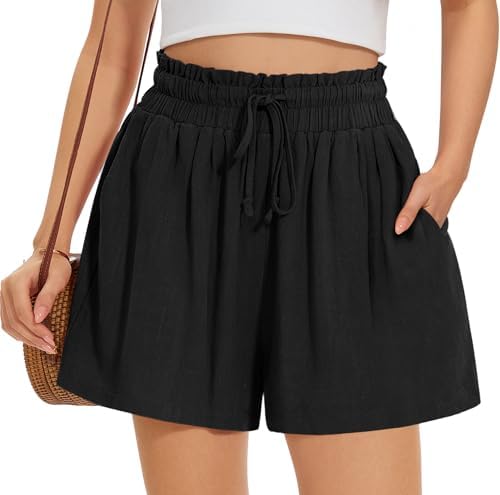 ChartedBlack
The same table as the navy shorts, sold on a listing of its own
Your size here: —
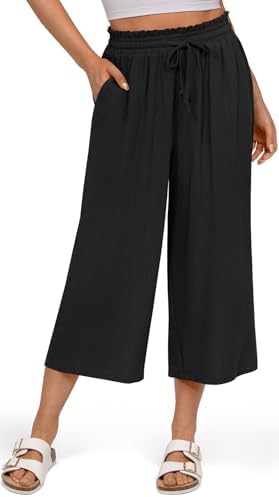 ChartedBlack
Five colours at under thirteen dollars, and a ruffle above the waistband
Your size here: —
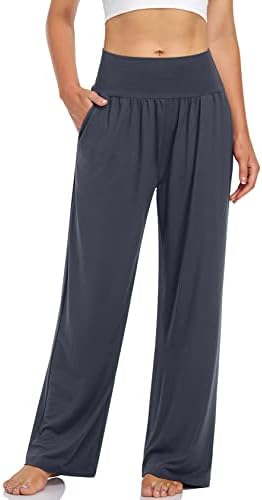 ChartedCharcoal Gray
Hip runs 43.7 to 52.6 in down our chart
Your size here: —
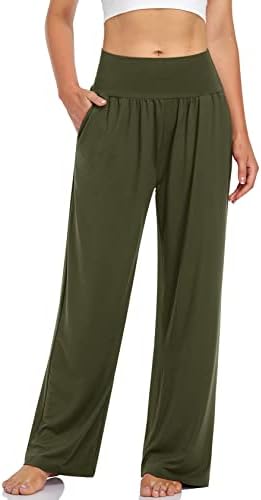 ChartedArmy Green
Length runs 40.6 to 42.3 in down our chart
Your size here: —
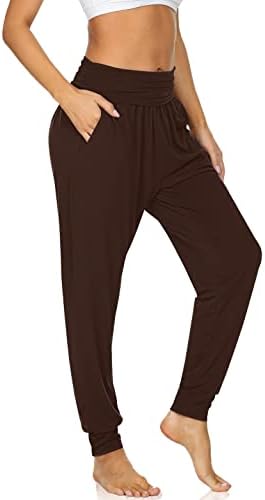 ChartedDark Coffee
4.4 on Amazon from 9,926 ratings, printed as it stands
Your size here: —
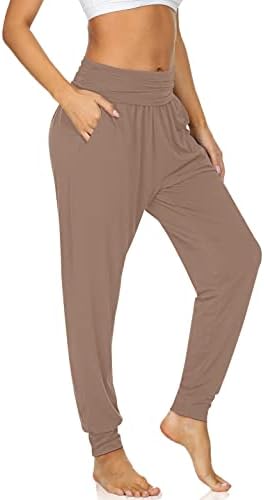 ChartedLight Coffee
Inseam holds at 22.5 in on every row
Your size here: —
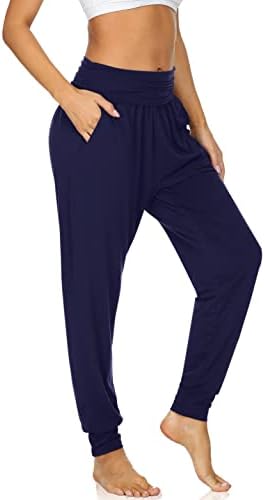 ChartedNavy
Hip runs 42.5 to 55 in down our chart
Your size here: —
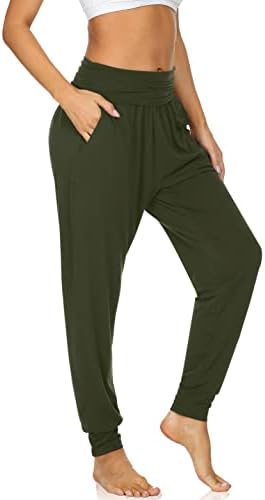 ChartedArmy Green
S to XXXL on our own labels, six rows in all
Your size here: —
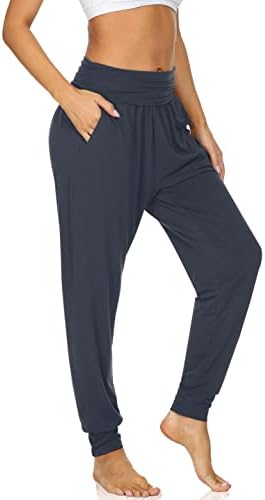 ChartedDark Gray
$24.99, mid-way through the price of the ten colours we cut this in
Your size here: —
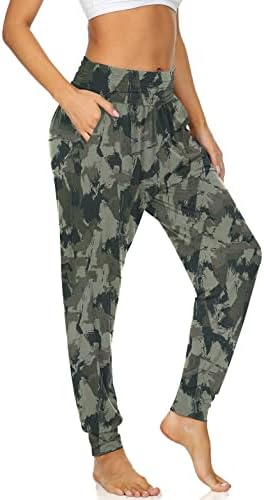 ChartedCamouflage
Cut from 90% polyester and 10% spandex
Your size here: —
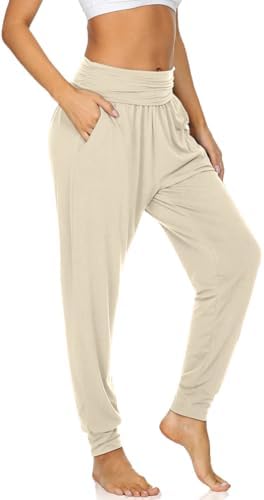 ChartedCream
Cream, the ninth of ten colours we cut this in
Your size here: —
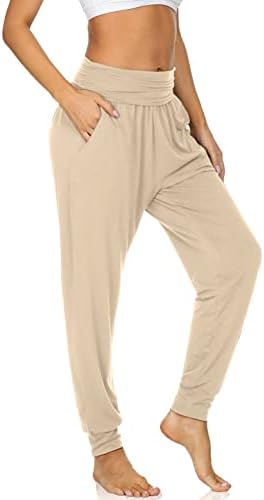 ChartedLight Khaki
4.4 on Amazon from 9,925 ratings, printed as it stands
Your size here: —
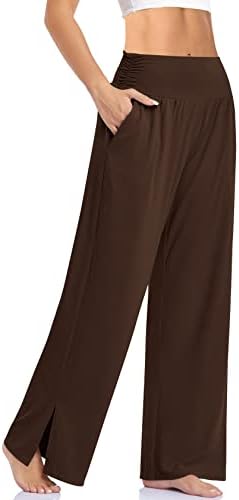 ChartedDark Coffee
4.2 on Amazon from 5,351 ratings, printed as it stands
Your size here: —
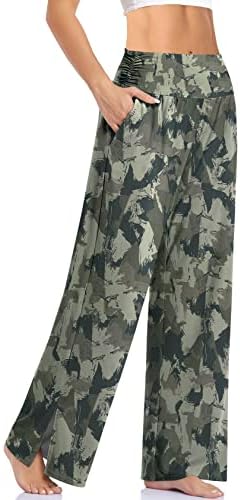 ChartedCamouflage
Inseam runs 27 to 28 in down our chart
Your size here: —
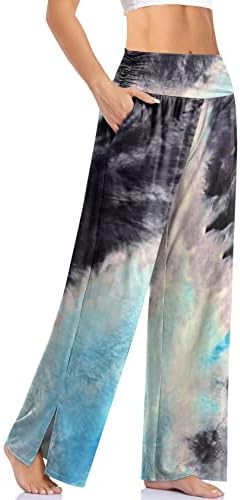 ChartedTie Dye
Hip runs 38 to 52 in down our chart
Your size here: —
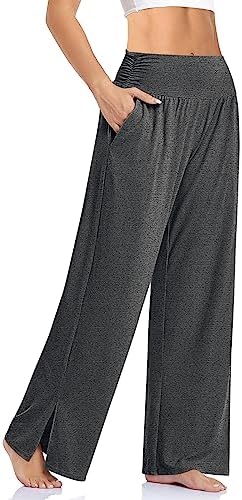 ChartedHeather Dark Gray
Length runs 39.8 to 41.7 in down our chart
Your size here: —
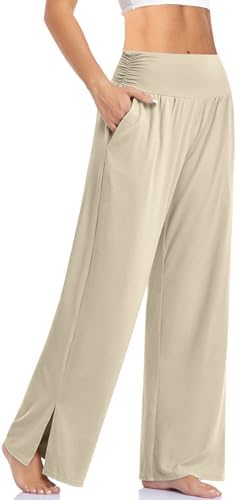 ChartedCream
S to 3XL on our own labels, six rows in all
Your size here: —
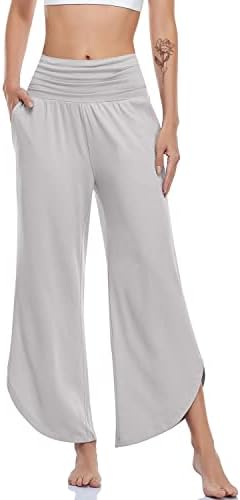 ChartedLight Gray
4.3 on Amazon from 2,539 ratings, printed as it stands
Your size here: —
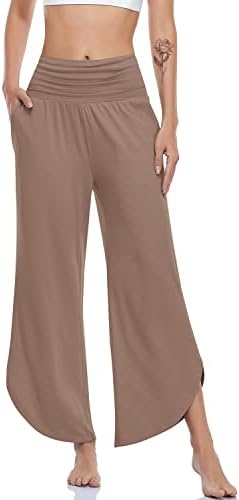 ChartedLight Coffee
Inseam holds at 26 in on every row
Your size here: —
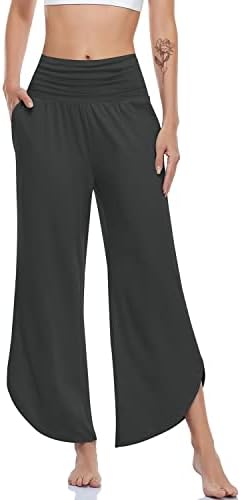 ChartedDark Gray
Hip runs 42.5 to 52.5 in down our chart
Your size here: —
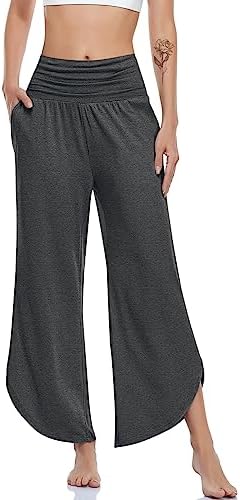 ChartedHeather Dark Gray
Length runs 38.8 to 40.3 in down our chart
Your size here: —
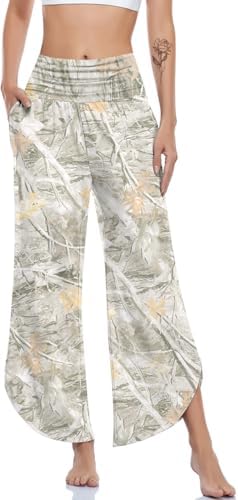 ChartedMaple Leaf Apricot
S to XXL on our own labels, five rows in all
Your size here: —
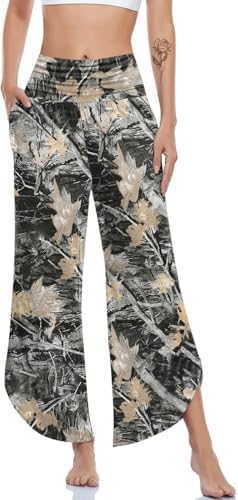 ChartedMaple Leaf Black
$16.99, the cheapest of the eight colours we cut this in
Your size here: —
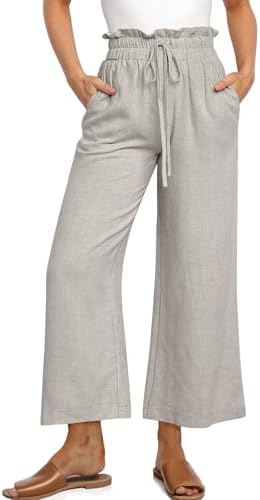 ChartedLight Gray
4.0 on Amazon from 382 ratings, printed as it stands
Your size here: —
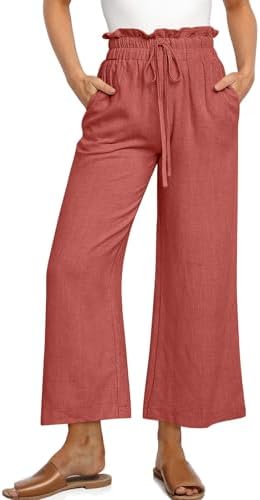 ChartedRust Red
Inseam runs 25.5 to 26 in down our chart
Your size here: —
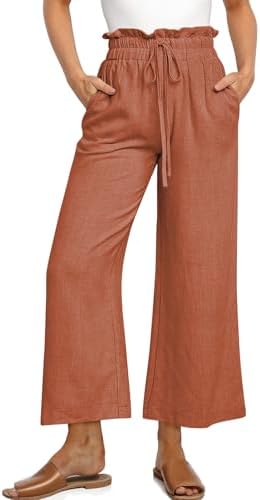 ChartedLight Red Brown
Hip runs 43 to 53 in down our chart
Your size here: —
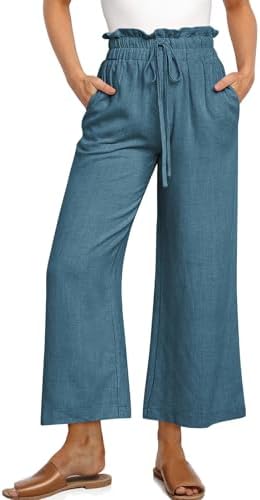 ChartedLake Blue
Length runs 37.5 to 40 in down our chart
Your size here: —
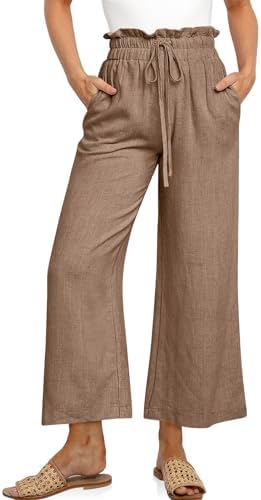 ChartedDark Khaki
Cut from 70% rayon and 30% linen
Your size here: —
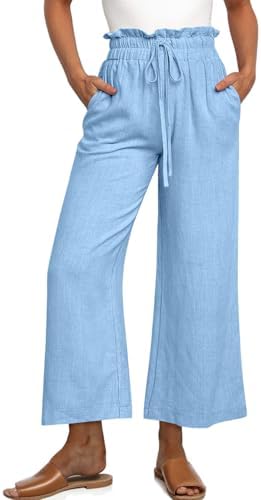 ChartedLight Blue
Light Blue, the eighth of eight colours we cut this in
Your size here: —
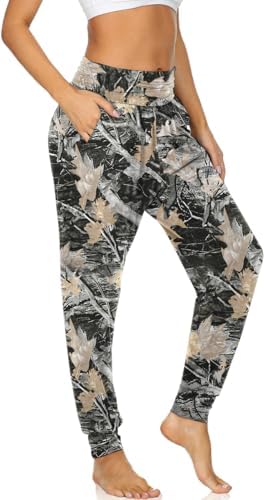 ChartedMaple Leaf Black
Our best average at 4.6, though on only forty votes
Your size here: —
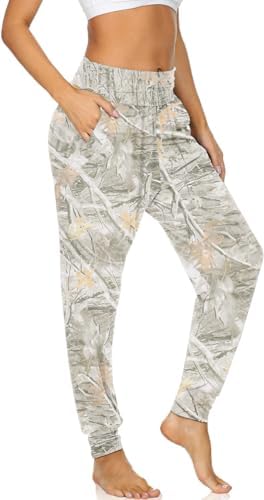 ChartedMaple Leaf Apricot
4.6 on Amazon from 40 ratings, printed as it stands
Your size here: —
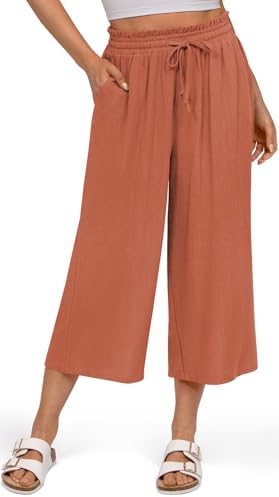 ChartedLight Red Brown
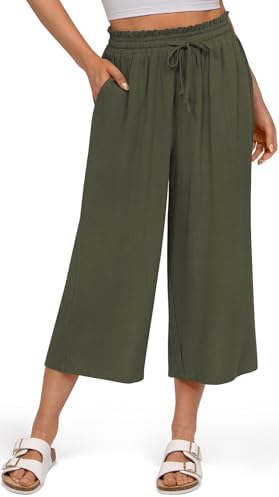 ChartedArmy Green
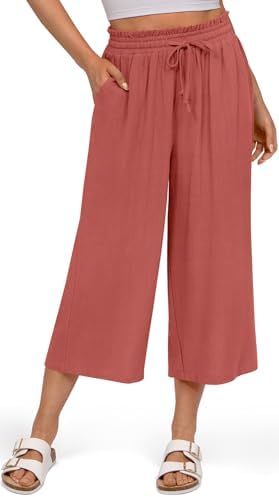 ChartedRust Red
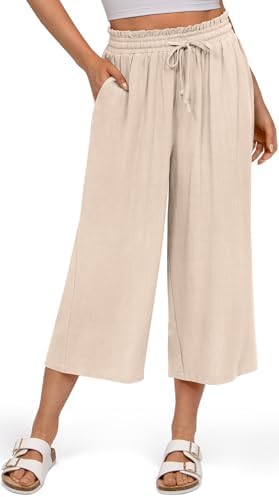 ChartedHeather Light Khaki
A piece with a table gives one band per size, printed like 25.5 to 26.5 inches at the waist. Your two numbers are compared against those bands, and the first size that holds both wins. No formula and no opinion about how much ease you should leave.
If a piece vanishes when you move the hip slider, we have not charted your hip for any size in it. Better to learn that here than from a parcel.
Both ends come from the tables themselves. Push either slider to the edge and you are standing at the widest band we print anywhere, which is a narrower world than the size letters suggest.
You get the first match, reading each table from the top. On a drawstring waist that is usually the one you want, since you can pull in what is loose. On a fixed elastic band with no tie, take the larger of the two instead.
These are body measurements, not garment measurements, on most of the tables here. A few of our tables mix the two in the same grid: inseam and total length describe the trousers, waist and hip describe you. The finder ignores the garment columns for that reason.
The other 27 pieces cannot appear here, and for three different reasons. 18 of them do carry a table, it just measures the bust and never mentions the waist, which is what this filter compares. 4 come with no table at all. And 5 are the smocked waist palazzo pants, whose waist column measures the band lying flat rather than a body: comparing your waist against a 20 inch figure would answer the wrong question, so we leave them out and say so. All three kinds still have their own pages.